Genetic Program
Introduction
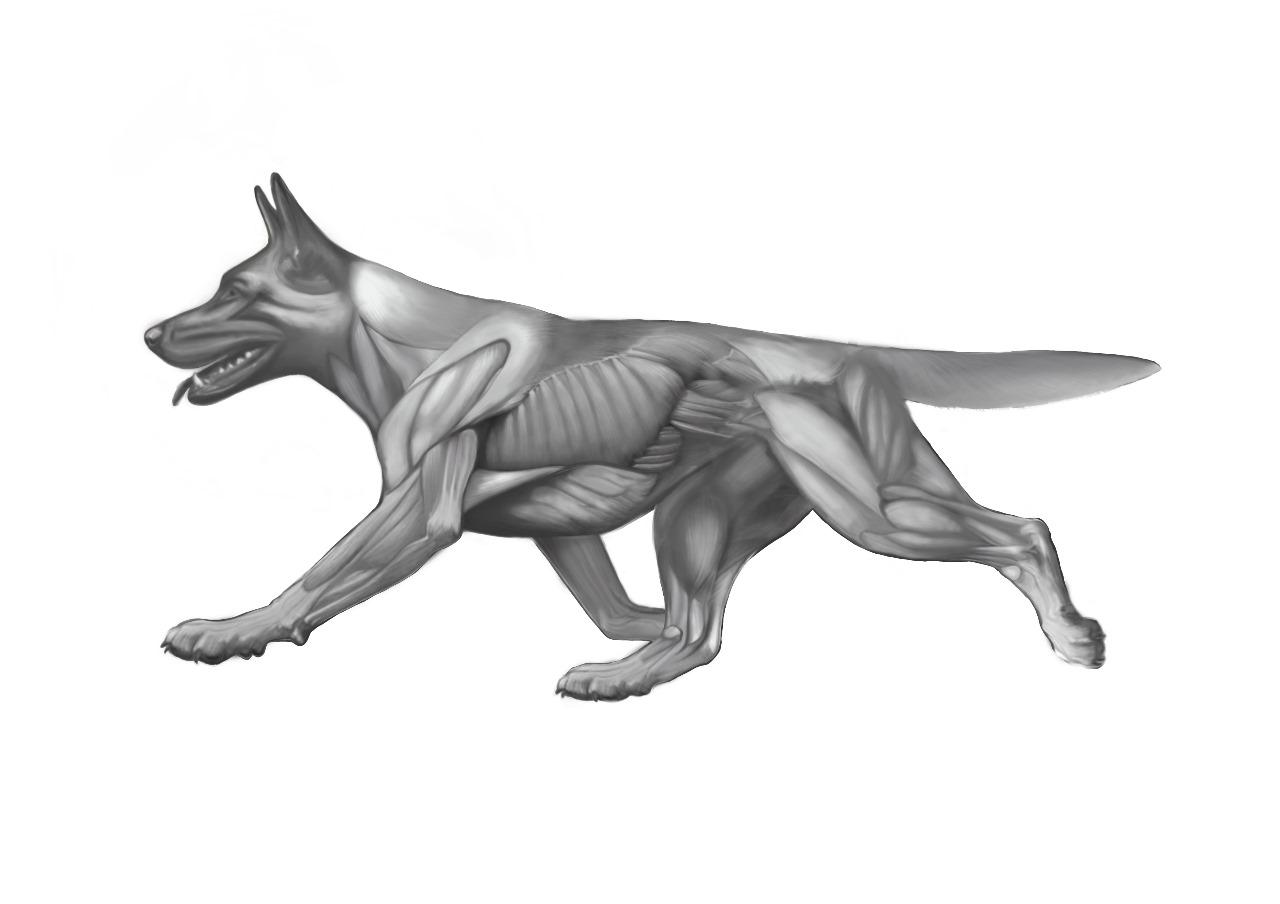
At Prototypos K9 we know the importance of genetics in the health and performance of working dogs, which is why we carry out a genetic program that guarantees the health of our breeding in the long term.
For this reason, the prevention of genetic diseases is a very important issue today, since it allows us to take measures to reduce the risk of suffering from hereditary disorders. Through advances in genomic medicine and genetic testing, it is now possible to identify and prevent genetic diseases before they manifest.
Genetic diseases in working dogs are disorders that are transmitted from generation to generation due to mutations in the genes. These mutations can cause health problems in dogs, affecting their quality of life, their performance at work and, in some cases, reducing their life expectancy.
At Prototypos K9 we are committed to identify and treat these diseases to prevent their spread and improve the well-being of our breeding.
Carrying out a genetic program also implies a high percentage to ensure desired characteristics of temperament, high learning capacity, high protective instinct, medium level of aggressiveness, medium tendency to bark, medium coexistence with other dogs, medium coexistence with children, high level of activity, medium need for space, very high exercise needs, average life span of 12 years, average litter size of 8 and low propensity for diseases. This will allow us to ensure that our offspring work according to the zootechnics of their breed.

Genetic Tests
At Prototypos K9 we use genetic tests that allow us to identify certain mutations that are associated with the expression of various disorders or diseases in our offspring. Having this knowledge before mating is key to correctly predicting the appearance of the offspring and ensuring that the transmission of diseases and unwanted behaviors is eradicated in a hereditary way.
Genetic tests are useful for accurately predicting the appearance of litters and are also an accurate tool for safely measuring the probability of each phenotype. This
allows us to select parents with adequate knowledge of what each one will bring to the litter.
Prototypos K9 Dogs
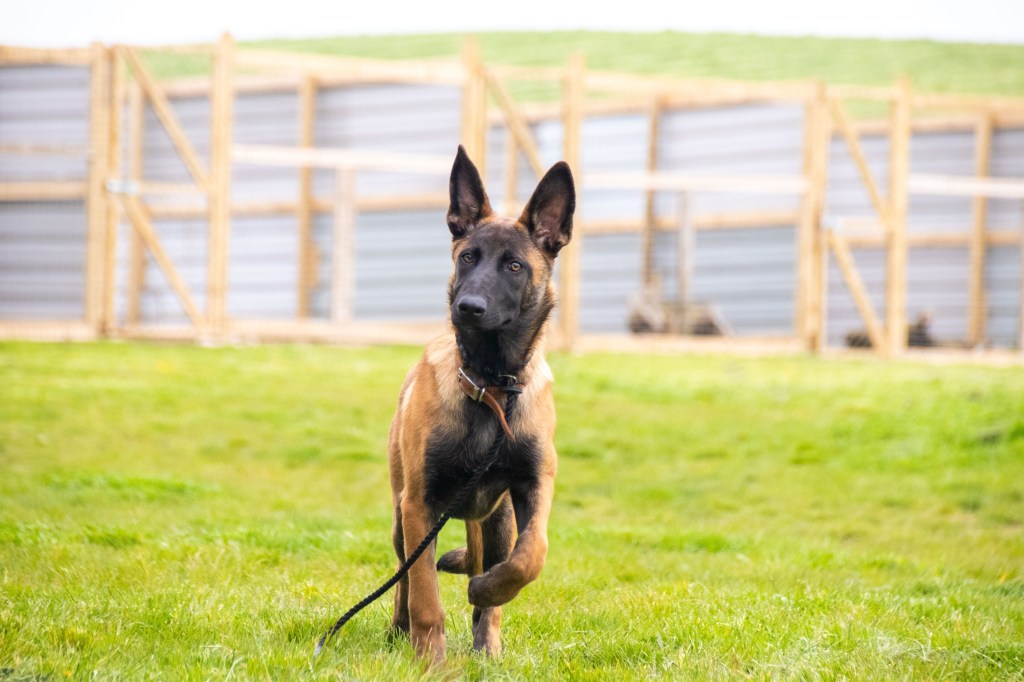
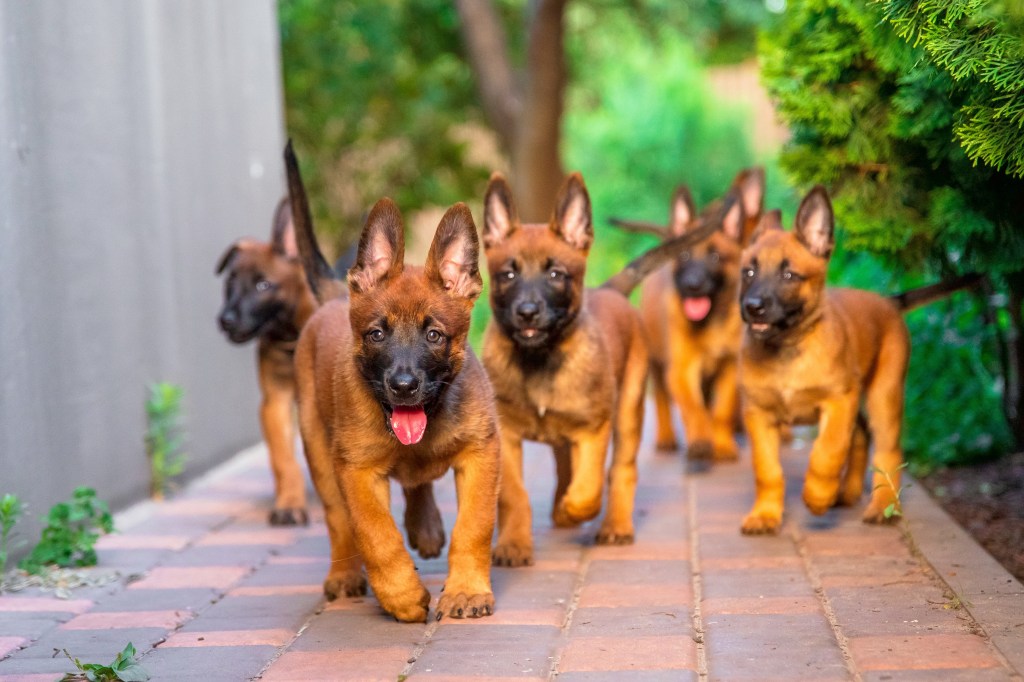
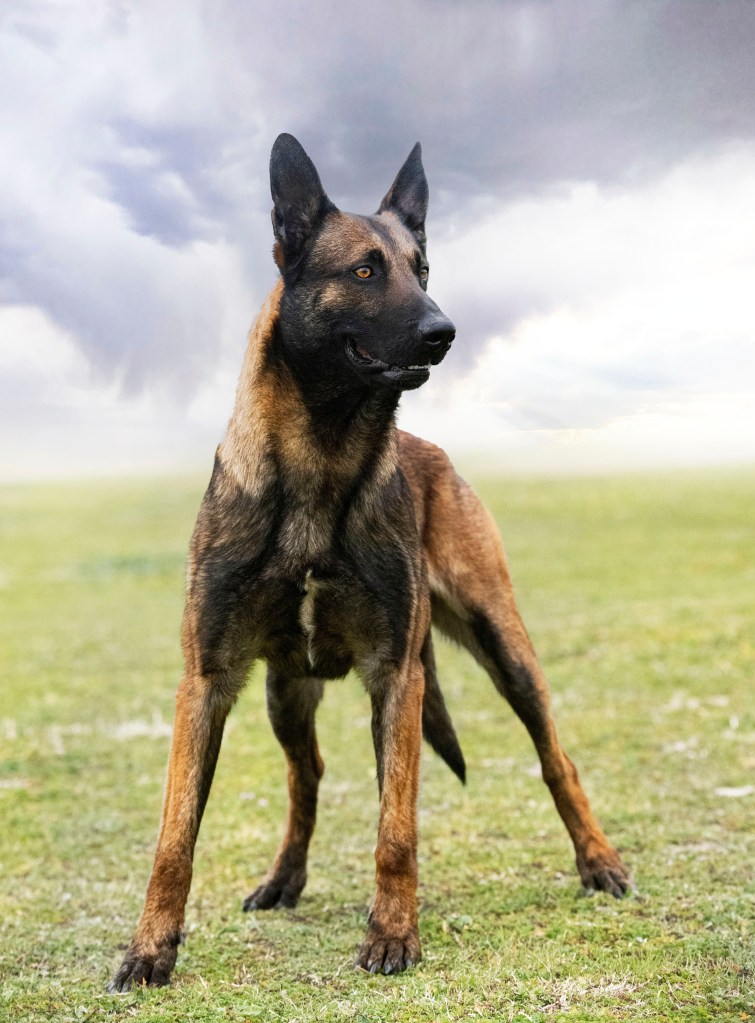
At Prototypos K9, breeding is geared towards finding a dog that adheres to a high percentage of the breed standard. That is, with a good phenotype, predominantly corpulent, with clean, defined, athletic and powerful lines. We look for canines with high instincts loaded in their genetics, of large size: approximately 63 centimeters, and an average weight of 35 kilograms in males. In females, size: 59 centimeters and an average weight of 24 kilograms.
We achieve this with a careful selection of our breeding stock, following the Belgian lines in their entirety. We mainly handle Dani Moreno lines, as we have found that this line provides us with the genetic load we are looking for.
DNA Tests and Animal Reproduction
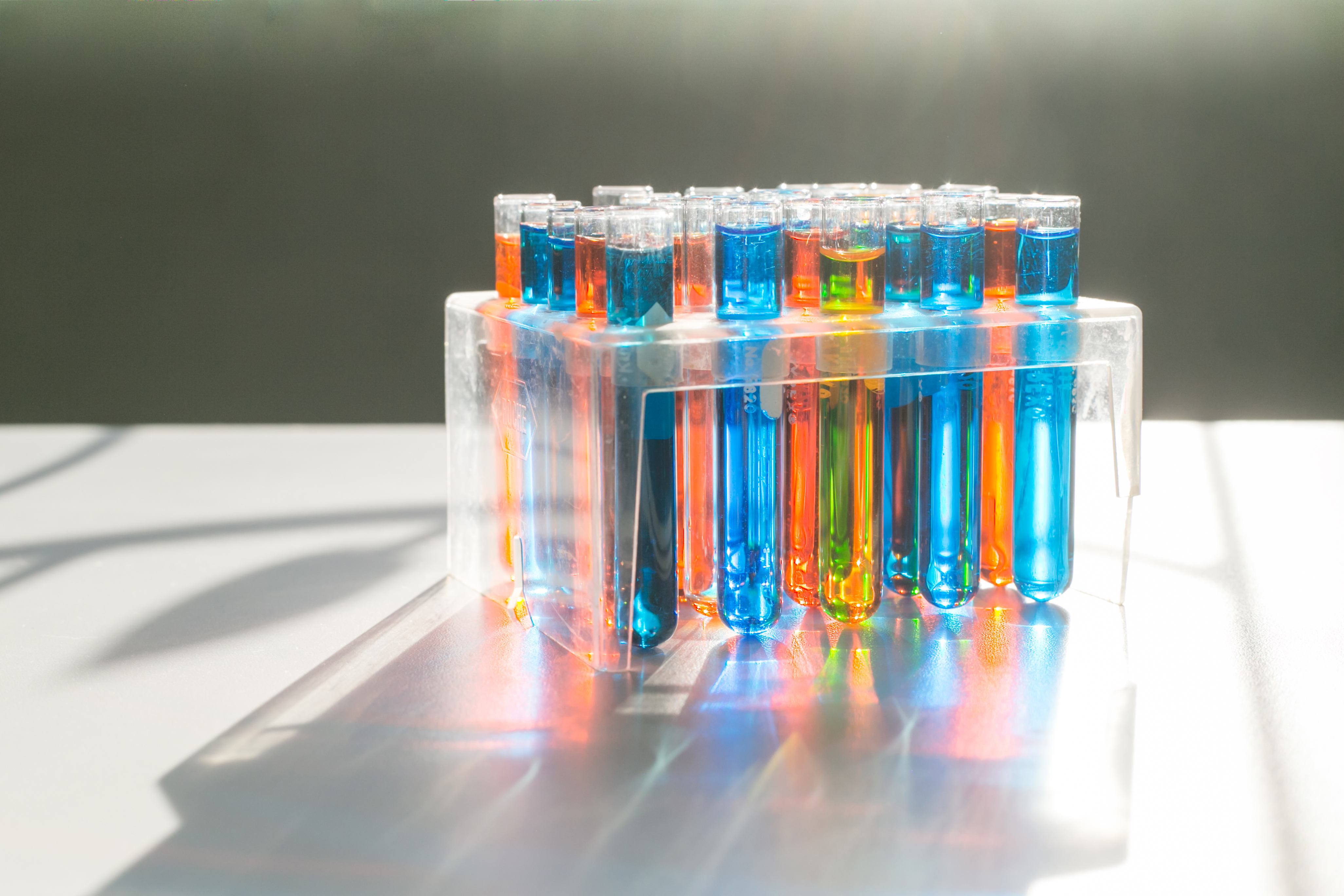
At Prototypos K9 we perform strict laboratory and imaging tests, as well as DNA tests, on all our breeding stock.
The genomic tests that are performed are:
Genetic Condition (213 diseases)
Genetic Diversity
Health Conditions Known in this breed (5 test) Coat Color (11 test)
Color Modification (11 test)
Coat Pattern (5 test)
Coat Length and curl (6 test)
Hairlessness (3 test)
Head Shape (2 test)
Eye color (1 test)
Extra Toes (2 test)
More Body Features (5 test)
Reproduction Strategies – Reproduction Plans
Inbreeding
At Prototypos K9 we do not practice inbreeding, as we recognize that it can provide us with more genetic problems than benefits; with this we avoid fixing undesirable characteristics.
In our breeding experience we have learned that inbreeding affects the size of the offspring. In addition, there is a lot of literature that supports the prior conclusion.
Linebreeding
We recognize that if we want to create a Prototypos K9 line, practicing linebreeding we will be close to achieving it.
We put this method into practice through a careful selection of the stud dogs, always keeping in mind that the method not makes the results of an excellent mating, but the genetic quality of the male and female chosen.
Outcrossing
Outcrossing is a practice that we follow when we want to introduce characteristics into our lines that we do not have in a specific specimen.
This can only be done when we know what the specimen to be used produces. If not, we prefer not to do it. This will help us improve what we are looking for our line.
 Prototypos K9